

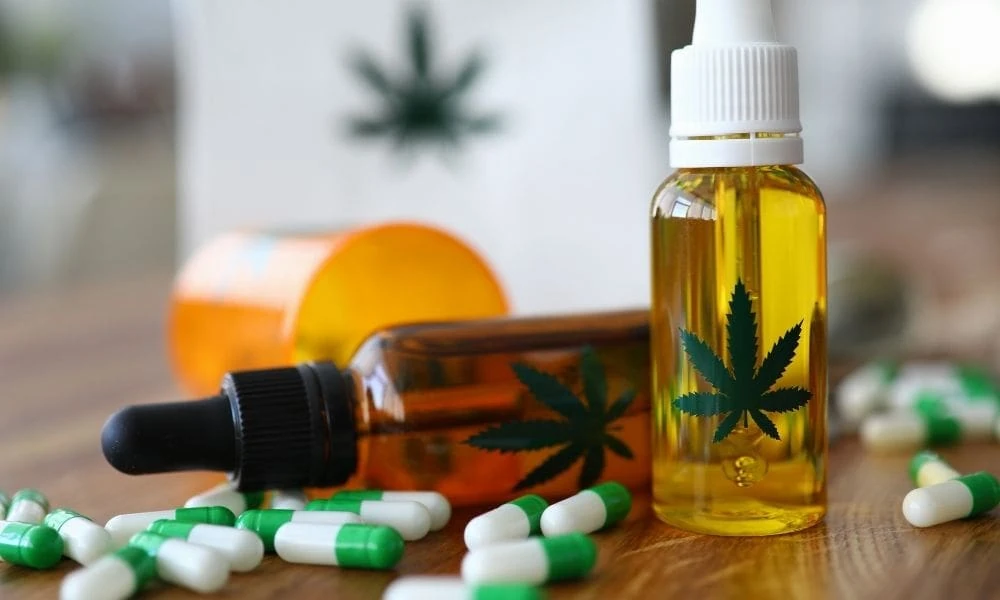
Medical cannabis cultivation combines plant science, controlled growing conditions, and strict quality standards. Each stage affects cannabinoid levels, plant health, and final product consistency. From seed selection to harvest, premium indoor cannabis production demonstrates how lighting, nutrients, humidity, and temperature influence crop development. Understanding these processes also clarifies why medical cultivation requires careful monitoring, documented procedures, and reliable testing before products reach patients.
Cultivation Begins With Plant Genetics
Medical cannabis cultivation starts with selecting suitable plant genetics. Each variety carries a distinct cannabinoid profile and growth pattern. Licensed producers choose seeds or healthy cuttings for consistency. Before planting, staff inspect starting material for disease. Clean equipment and recorded procedures protect early development. These measures establish the foundation for reliable medicinal ingredients.
What Conditions Support Healthy Plant Growth?
Environmental controls shape plant development throughout each growth stage. Indoor facilities regulate light intensity, temperature, humidity, and airflow. Outdoor operations depend more heavily on seasonal conditions. Both approaches require suitable water and balanced nutrients. Root health matters because damaged roots restrict nutrient uptake. Regular inspections also identify pests before damage spreads.
Key cultivation factors include:
- Lighting supports photosynthesis and structured growth.
- Nutrients supply essential minerals for development.
- Air circulation helps manage humidity and heat.
- Irrigation maintains moisture around developing roots.
How Do Growers Manage Flowering?
As flowering begins, plant energy supports reproductive growth. Growers monitor maturity, environmental stability, and visible plant health, premium indoor cannabis production relies on precise controls during this stage. Stable conditions help preserve expected cannabinoid profiles. However, environmental precision cannot replace suitable genetics or sanitation.
Harvesting Requires Careful Timing
Harvest timing influences chemical composition and usable yield. Staff assess flower maturity against defined production criteria. Once harvested, plant material enters controlled post-harvest handling.
Important steps include:
- Workers separate identified batches for traceability.
- Trimming removes unwanted leaves and plant material.
- Controlled drying reduces moisture after harvest.
- Appropriate storage protects material from contamination.
Poor drying conditions can encourage microbial growth. Excessive drying may also compromise material quality.
What Happens Before Products Reach Patients?
Cultivation ends only after quality checks are completed. Testing requirements depend on local regulations and product type. Laboratories may assess cannabinoid content and contaminants. These checks help identify pesticides, heavy metals, and microbial hazards. Batch records connect results with specific production stages. Approved material can then enter authorized processing or packaging.
Why Do Cultivation Records Matter?
Reliable records turn agricultural work into an auditable process. Logs document plant origins, nutrient inputs, environmental readings, and harvest dates. When results vary, those records help investigators identify possible causes. Consistent documentation also supports recalls and regulatory inspections. Medical production demands evidence, not merely healthy-looking flowers.
Consistency Starts Before Harvest
A flowering room can appear healthy while hiding contamination risks. That is why cultivation records, sanitation, and laboratory results matter together. A documented nutrient adjustment or humidity excursion can explain a batch’s unexpected result. In medical production, such evidence helps distinguish visual quality from verified product quality.
FAQs
1. How long does medical cannabis cultivation take?
The timeline depends on genetics, growing conditions, and flowering requirements. Drying, testing, and processing add time before release.
2. Is indoor cultivation better than outdoor cultivation?
Indoor facilities offer tighter environmental control throughout production. Outdoor cultivation uses natural sunlight but faces weather-related variation.
3. What is tested in medical cannabis?
Testing may measure cannabinoids, pesticides, heavy metals, and microbes. Applicable standards depend on local laws and product specifications.
4. Why is traceability important?
Traceability connects each batch with its production history. This helps investigators identify contamination and manage product recalls.