

Healthy-looking skin means different things to different people. Some individuals want to reduce visible fine lines, while others are concerned about acne scars, uneven pigmentation, or changes in skin texture. With numerous cosmetic skin treatments available, understanding which options address specific concerns can make the decision less overwhelming.
Choosing a treatment involves more than selecting a popular procedure. Your skin type, medical history, expectations, and willingness to manage recovery all influence what may be appropriate.
Understanding these factors helps you approach cosmetic dermatology with realistic goals and informed questions.
Identify Your Primary Skin Concern Before Exploring Treatments
The first step is identifying what you actually want to improve. Different skin concerns involve different underlying processes, and a treatment designed for one issue may have little benefit for another.
Fine lines, for example, can develop from repeated facial expressions, changes in skin structure, and environmental exposure. Dark spots may result from sun exposure, inflammation, or pigmentation conditions. Acne scars can involve changes in the skin’s deeper structure rather than surface discoloration alone.
Common cosmetic concerns include:
- Fine lines and wrinkles: Visible changes associated with facial movement, aging, or sun exposure.
- Uneven pigmentation: Dark spots, discoloration, or patches of uneven skin tone.
- Acne scars: Depressed, raised, or textured marks left after acne lesions heal.
- Loss of facial volume: Changes in facial contours that can occur over time.
- Rough skin texture: Uneven surface appearance or areas of persistent dullness.
It is also possible to experience several concerns simultaneously. However, treating everything at once is not always necessary or advisable.
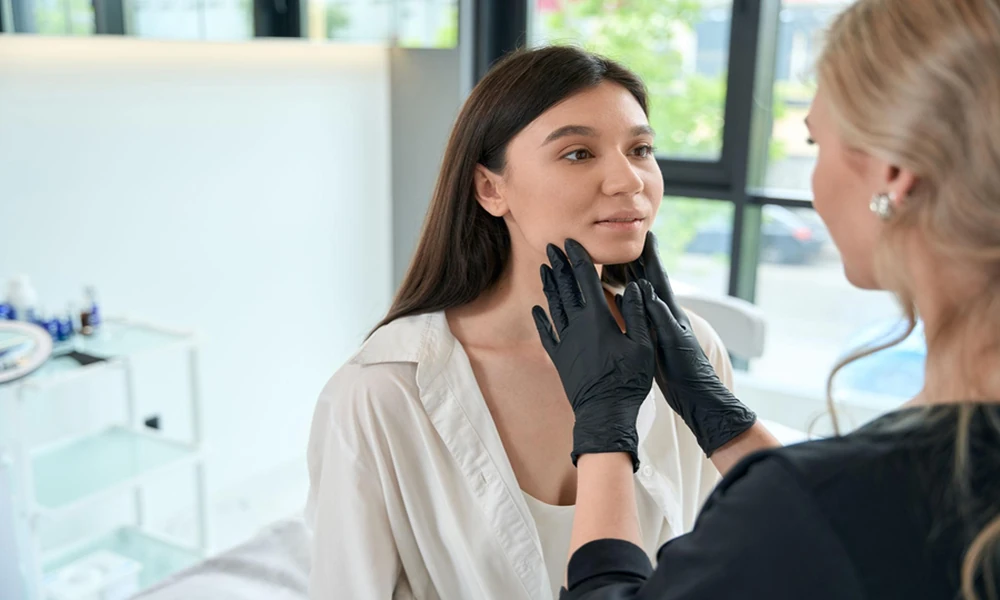
An assessment by a qualified dermatology professional can help distinguish cosmetic concerns from conditions requiring medical attention.
Understand the Professional Treatment Options Available
Cosmetic dermatology includes several treatment categories, each designed to address particular concerns. Understanding their differences can help you ask more useful questions during a consultation.
Botulinum toxin injections are commonly used to temporarily soften expression-related wrinkles by reducing movement in selected facial muscles. They do not address every type of wrinkle or skin texture concern.
Dermal fillers may restore volume or modify facial contours. Results depend on the product, placement, and individual anatomy, and injectable procedures carry risks that should be discussed beforehand.
Laser treatments can address certain pigmentation irregularities, texture concerns, or signs of sun damage. Appropriate laser selection depends on skin tone, the condition being treated, and the potential for unwanted pigment changes.
Chemical peels use controlled exfoliation to improve selected surface concerns. Their strength and recovery requirements vary, and deeper peels involve greater risks.
Microneedling creates controlled micro-injuries in the skin and may improve the appearance of certain scars and textural irregularities. It is not equally suitable for every scar type or skin condition.
For people comparing local options, a service overview such as cosmetic services Scarsdale NY can provide a starting point for understanding which treatment categories are available. The next step is determining whether any of them is appropriate for your individual skin needs.
No single cosmetic procedure is universally superior. The best approach depends on the condition being addressed and the balance between expected benefits and potential risks.
Consider Your Skin Type, Lifestyle, and Recovery Time
Two people with similar cosmetic concerns may require different treatment plans.
Skin tone is one important consideration, particularly for procedures involving heat, exfoliation, or controlled skin injury. Some treatments may carry a greater risk of post-inflammatory hyperpigmentation in individuals with darker skin tones or those prone to discoloration.
Skin sensitivity also matters. People with active irritation, certain inflammatory conditions, or a history of unusual healing may require adjustments or alternative approaches.
Lifestyle considerations are equally relevant. Some procedures cause temporary redness, swelling, peeling, or visible marks. Others may require limiting sun exposure or following detailed aftercare instructions.
- Can you accommodate the expected recovery period?
- Are you prepared to follow post-treatment instructions?
- Do you have an upcoming event that could make temporary swelling or peeling inconvenient?
- Are you comfortable with the possibility of multiple sessions?
- Does the estimated cost include follow-up care or maintenance?
Answering these questions can help prevent rushed decisions and unrealistic expectations.
Ask the Right Questions During Your Consultation
A cosmetic consultation should involve more than discussing the appearance you hope to achieve. It should help you understand the proposed procedure, the practitioner’s qualifications, and the possible outcomes.
Start by asking why a particular treatment is recommended for your concern. A qualified professional should be able to explain its purpose, limitations, potential side effects, and reasonable alternatives.
You should also discuss your medical history, current medications, allergies, previous cosmetic procedures, and any history of problematic scarring or pigmentation changes.
Other useful questions include whether the treatment requires multiple sessions, what recovery typically involves, and how complications would be managed.
Pay attention to how recommendations are presented. Promises of guaranteed results or claims that a procedure is completely risk-free deserve scrutiny.
An informed decision should leave you with a clear understanding of both the expected benefits and the uncertainties.
Set Realistic Expectations and Protect Your Results
Cosmetic treatments generally aim to improve specific concerns rather than create flawless or permanently unchanged skin.
Results vary according to individual biology, treatment technique, and the condition being addressed. Some procedures produce temporary effects, while others require a series of sessions before meaningful changes become visible.
Ongoing skincare can also play an important supporting role. Gentle cleansing, appropriate moisturization, and consistent sun protection help maintain skin health and may support results after certain procedures.
Following professional aftercare instructions is especially important. Introducing irritating skincare products too soon or neglecting recommended sun precautions may interfere with recovery.
Instead of focusing exclusively on dramatic before-and-after changes, consider whether a treatment offers a reasonable improvement that matches your goals.
Conclusion
Choosing a cosmetic skin treatment begins with understanding your concerns rather than following trends or selecting the newest procedure.
By comparing treatment approaches, considering your skin’s individual characteristics, evaluating recovery requirements, and asking informed questions, you can make decisions with greater confidence.
Professional guidance and realistic expectations remain essential. The most appropriate cosmetic treatment is one that addresses a clearly identified concern while respecting your skin health, personal priorities, and comfort with the associated risks.