

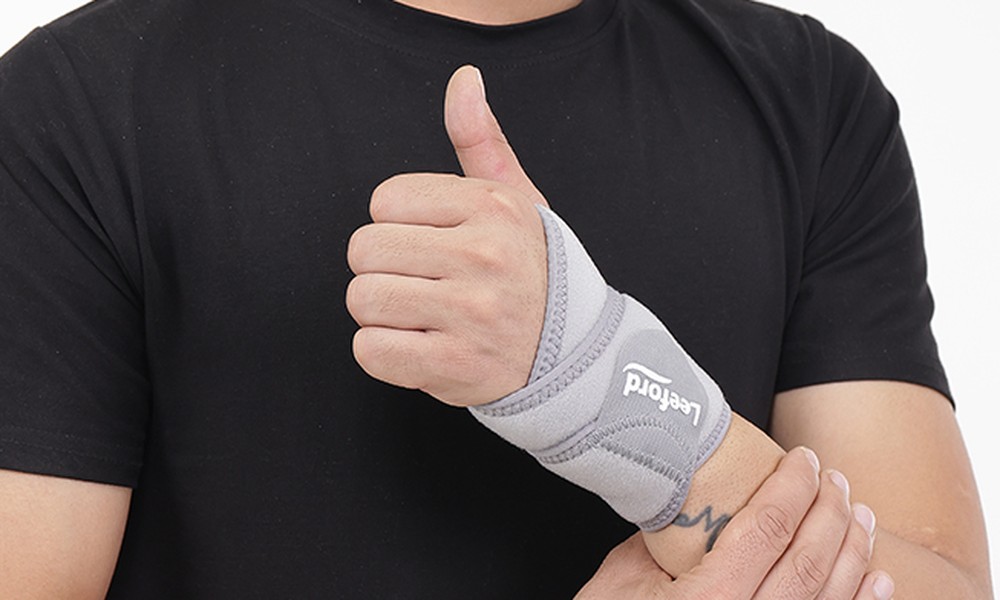
Sometimes discomfort affects more than just one part of your hand. You might feel a dull ache in your wrist joint. Your thumb might feel weak at the same time. This situation requires a dual support approach. The hand and wrist work together as a single functional unit.
Many everyday movements require both areas to move simultaneously. When one area experiences strain, the other usually compensates. This compensation can lead to strain in nearby tissues.
A wrist brace only immobilizes the main joint of the wrist. It leaves the base of the thumb free to move in all directions. This partial restriction is not always sufficient. That is where a thumb wrist brace comes in handy. It is an orthopedic support that addresses both areas at once.
Let’s explore how it provides an effective solution for complex hand mechanics.
Anatomy of the Thumb and Wrist Complex
The human wrist naturally has eight small carpal bones arranged in two rows. These bones connect to the long bones of your forearm. They also connect to the metacarpal bones inside your palm. The thumb attaches to the wrist at a unique joint.
This is called the carpometacarpal joint. It features a saddle-shaped structure that enables a wide range of motion intensity. You can rotate, pinch, and grip because of this design.
Thumb joint movements interlock because they sit right against the carpal bones. An injury to the wrist ligaments can impact how your thumb functions during a grip.
Likewise, a strained thumb tendon may cause you to twist your wrist awkwardly. Providing a single system of wrist support that stabilizes both zones is highly effective. It treats the entire area as an interconnected system rather than separate parts.
Common Reasons for Dual Discomfort
Repetitive Strain Injuries
Modern office work requires hours of typing and mouse usage. These actions demand constant wrist extension and thumb clicking. The continuous motion strains the wrist and thumb tendons as time passes.
De Quervain Tendonitis
This condition involves swelling in the tendons at the base of the thumb. The inflammation travels down the side of the wrist. It causes discomfort whenever you turn your wrist and make a fist.
Joint Wear and Tear
The cartilage inside the joints can thin out with ageing. The base of the thumb is a common site for this natural wear. This changes the structural alignment of the hand and stresses the wrist.
Minor Sprains and Twists
A sudden slip or fall can cause you to land on an outstretched hand. This impact forces both the wrist and the thumb into unnatural positions. It also overstretches multiple ligaments at once.
How Do Dual Support Braces Function?
A thumb wrist brace has two separate stabilizing components built into one garment.
- The first component is a rigid palmar stay that runs along the inside of your wrist. This stay keeps your wrist in a neutral and straight posture.
- The second component is a specialized thumb spica stay. This is a rigid metal or plastic splint that runs up the side of your thumb. It prevents the thumb from bending inward and outward excessively.
This kind of brace creates a highly stable environment. It minimizes the muscular effort required to keep your hand steady. This enables irritated nerves and tendons to rest completely. The surrounding fabric provides consistent compression. This compression helps manage local swelling and keeps the tissues warm. Warmth improves tissue elasticity and promotes comfort during daily wear.
How to Wear Your Dual Brace
- Unfasten all the hook and loop straps completely.
- Slide your hand into the main sleeve of the brace.
- Guide your thumb into the dedicated side channel carefully.
- Ensure the metal palmar stay rests comfortably against the centre of your inner wrist. The top of the wrist splint should stop just below your main finger knuckles.
- Secure the main wrist strap first to anchor the brace in place.
- Fasten the forearm strap to stabilize the lower section.
- Wrap the small thumb strap around securely.
- Adjust until you achieve a comfortable yet firmly secured fit.
Final Takeaways
Caring for your hands seems like a useless thing to do until discomfort emerges. The process of taking care of your thumb and wrist particularly involves a combination of smart habits and supportive gear. An orthopedic thumb wrist brace with thumb offers targeted relief for dual support needs. It helps you manage daily physical strain for both the wrist and thumb.
Just be mindful of your hand posture during repetitive movements. Keep your workspaces arranged comfortably to minimize unnecessary reaching and twisting. Incorporate consistent rest periods into your daily workflow. A wrist brace with a thumb is an effective measure for conservative management. However, some scenarios require an evaluation by a qualified healthcare professional. They can ensure your recovery path matches your specific physical condition.