

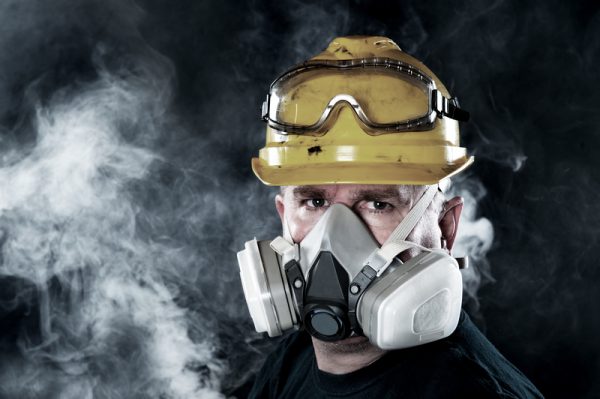
We can all agree that workplace safety is essential factor especially in industries where employees face continual exposure to hazardous air contaminants, particulates or chemicals. Proper clearance is an effective cornerstone of any effective protection program, which will allow you to ensure employees can safely use them without compromising overall health.
The process takes advantage of multiple components including respiratory fit tests, medical evaluation questionnaire, pulmonary function tests and respirator clearance physical exam. As soon as you check here, you can learn more about OSHA standards.
Therefore, you should learn how to understand these components are important for employees to comply with regulations, while you will foster a culture of health and compliance in workplace while maintaining employee safety.
Things to Know About Respiratory Clearance

You should remember that respiratory clearance can help you ensure that employees who are in need of respiratory protections are specifically and medically fit to wear and use respirators during the work. Lousy fitting can lead to severe health risks, including cardiovascular stress, respiratory issues and long-term organ damage.
Therefore, when you decide to implement respiratory clearance, you should remember that employers must meet relevant standards based on the industry you work and regulatory body from the area you work.
At the same time, you should know that ensuring respirators could fit properly will directly improve overall safety, meaning you can wear them without causing health strain and overall effectiveness.
You will reduce potential liability that will offer you a peace of mind. By demonstrating adherence to reliable medical evaluation, you can prevent potential legal consequences and fines. It is vital to remember that respirator clearance will ensure your employees stay healthy, meaning they are more likely to perform at their best.
Aspects of Respiratory Clearance
1. Fit Test
You should remember that respirator fit test could help you ensure that the selected mask is properly making seal around the face. That way, you can prevent exposure to harmful substances. According to regulations, fit testing is mandatory for everyone using tight-fitting respirators.
The main idea is to perform tests before initial use and ensure annual checkup. Whenever a potential change occurs such as weight fluctuation and facial surgeries, you should find a new mask and determine whether it specifically fits to your employee.
We can differentiate two types of fit tests including:
- Qualitative – It relies on sensory responses such as irritation, smell and taste, which is effective way for detecting potential leaks.
- Quantitative – It uses machine to measure the exact amount of leakage, which should stay within the required limits.
It is vital to remember that both methods are effective, but the selection depends on the workplace condition and type of respirator.
2. Pulmonary Function Tests
You should know that pulmonary function tests assess the efficiency and strength of your employee’s respiratory system. These screenings are essential for determining underlying respiratory conditions of your employees, which can impair their ability to use respirator properly.
The crucial measurements include:
- Forced Vital Capacity – We are talking about the overall volume of the air that you can forcibly exhale after inhalation.
- Forced Expiratory Volume – You must undergo the test that will check out the volume of exhaled air in the first second after a forced breath.
- Ratio – It can help you determine the presence of restrictive and obstructive lung conditions.
PFTs are specifically important for people with existing health conditions such as chronic obstructive pulmonary disease and asthma, because these issues can get worse after and while using respirator.
3. Medical Evaluation Questionnaire
You should remember that medical evaluation questionnaire is confidential form your employees should complete, especially the ones who need to wear respirators. That way, you can determine whether an employee has a certain medical condition that can directly interfere with the usage. Questionnaire covers various topics including:
- Current medications
- History of cardiovascular and respiratory issues
- Physical demands of the job
A licensed healthcare professional will review questionnaire who determines whether the testing and evaluation is essential. If they do not notice and identify potential concerns, the employee may proceed with the usage.
Watch this video: https://www.youtube.com/watch?v=gAuZAwmNbQU to learn more about respirator medical evaluation.
4. Physical Exam
When it comes to physical exam, you should know that we are talking about the final step of clearance process, which will offer you hands-on evaluation of employee’s health. During the examination, a healthcare professional will assess following factors:
- General physical health, which will focus on the cardiovascular and respiratory health
- Vital signs such as heart rate, blood pressure and respiratory rate
- Indicators of health concerns that can affect respiratory use, such as skin conditions that may interfere with a proper seal
The thorough examination will ensure every single risk is properly addressed, which will help you ensure overall safety in the workplace. The most important factor is to ensure each step along the way, which is why you should talk with professionals who can aid you to reach the desired goals.