

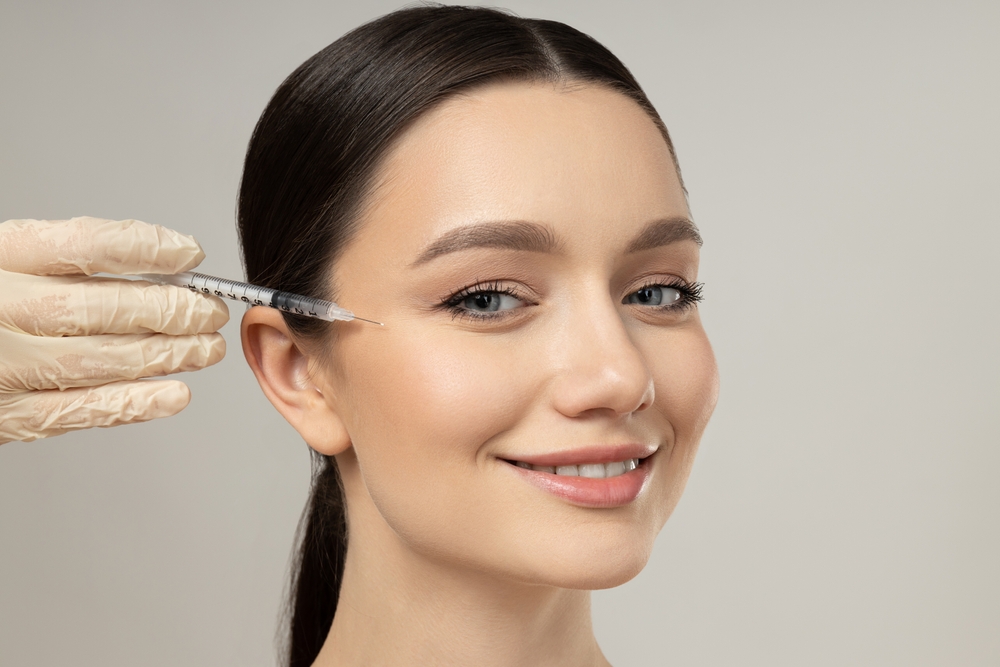
Restoring facial volume and rejuvenating the skin no longer requires surgery or lengthy downtime. With advances in injectable aesthetics, patients now have choices that deliver either instant gratification or gradual, natural-looking transformation. But when it comes to Sculptra and hyaluronic acid fillers, the differences go well beyond the speed of results.
Understanding Sculptra and Hyaluronic Acid Fillers
What is Sculptra? A Biostimulant’s Role in Collagen Restoration
Unlike traditional fillers, Sculptra is classified as a biostimulant. Its scientific name, poly-L-lactic acid (PLLA), hints at its unique origin as a derivative of fruit acids. Initially launched in 1999 to address severe tissue loss in patients with HIV-related lipoatrophy, Sculptra has since found a broader audience among those seeking to reverse volume loss from aging.
The magic of Sculptra lies in its ability to stimulate the body’s own collagen production. Once injected, it works gradually, encouraging the skin to rebuild lost structure from within. This process creates subtle, lasting improvements that become more apparent over a few months, giving a refreshed yet completely natural appearance.
Overview of Hyaluronic Acid Fillers: Immediate Volume Enhancement
Hyaluronic acid (HA) fillers, in contrast, act more like a classic injectable. Popular brands like Juvederm and Restylane are designed to instantly plump up wrinkles, folds, and hollow areas by physically filling them with a soft gel. Hyaluronic acid is a substance already found in the body, which makes these fillers highly compatible and versatile for facial sculpting, lip enhancement, and smoothing fine lines.
Unlike Sculptra, the results from HA fillers are visible immediately after treatment, making them ideal for those seeking quick improvements before a big event or those new to injectables.
Key Differences in Composition and Mechanism of Action
Though both Sculptra and hyaluronic acid fillers improve facial volume, their approach is fundamentally different.
| Feature | Sculptra (PLLA) | Hyaluronic Acid Fillers |
|———————–|———————————-|—————————–|
| Composition | Poly-L-lactic acid (biostimulant) | Hyaluronic acid (gel) |
| Mechanism | Stimulates collagen production | Physically fills volume |
| Onset of Results | Gradual (weeks to months) | Immediate |
| Duration of Results | Up to 2 years | 6-18 months (varies) |
| Areas Treated | Face, body (off-label) | Face, lips |
| Maintenance | Annual touch-ups recommended | Repeat injections as needed |
Case Study 1: Facial Volume Loss Restoration
Imagine a patient in her early 50s, noticing deepening hollows in her cheeks, temples, and around the mouth. Her goal is subtle rejuvenation that will last, without abrupt changes.
Patient Profile and Initial Condition
This patient presents with moderate loss of midface volume, mild jowling, and skin laxity, a classic scenario for both Sculptra and HA fillers.
Treatment with Sculptra: Process and Gradual Results
Sculptra is administered over two to three sessions, spaced a month apart. With each session, the product is injected into targeted areas, triggering the skin’s natural repair response. Over several weeks, collagen builds up, filling hollows and gently lifting sagging skin. The results appear slowly, making the transformation subtle and difficult to detect for most observers.
Treatment with Hyaluronic Acid Fillers: Immediate Effects and Duration
With HA fillers, a single appointment can provide instant volume restoration. The gel smooths out wrinkles and fills deeper folds immediately. However, the effect, while gratifyingly quick, tends to fade within a year as the body gradually absorbs the hyaluronic acid.
Comparing Patient Outcomes and Satisfaction
Patients who value gradual, natural change with longer-lasting results often favor Sculptra. Those seeking a rapid makeover, perhaps before a major milestone, may prefer HA fillers for their immediate payoff. Satisfaction is high for both, but the right choice depends on individual goals and willingness to wait for results.
Longevity and Maintenance of Results
How Long Do Sculptra Effects Last?
Once Sculptra’s collagen-stimulating effects are established, typically after the initial treatment series, results can persist for up to two years. Maintenance is straightforward: a single annual session is usually sufficient to uphold the desired look.
Duration of Hyaluronic Acid Filler Results
Hyaluronic acid fillers generally last between 6 and 18 months, depending on the product used, the area injected, and individual metabolism. Some patients notice gradual fading sooner, especially in areas with a lot of movement, like the lips or nasolabial folds.
Recommended Treatment Frequency and Touch-ups
| Product | Initial Sessions | Maintenance | Typical Duration |
|——————-|——————|————————|————————-|
| Sculptra | 2-3 (over 2-3 months) | Annual touch-up | 18-24 months |
| HA Fillers | 1 | Every 6-18 months | 6-18 months |
Safety, Side Effects, and Approval Status
Biocompatibility and Risks of Sculptra
Sculptra’s key advantage is its biocompatibility; PLLA is gradually broken down by the body. Most side effects are mild and include swelling or bruising at injection sites, rarely lasting more than a few days. Nodules or small lumps under the skin are possible, particularly if aftercare instructions are not followed precisely.
Common Side Effects of Hyaluronic Acid Fillers
HA fillers are also generally well-tolerated. Side effects, such as redness, swelling, or tenderness, are usually mild and transient. Very rarely, vascular complications or allergic reactions can occur, underscoring the importance of choosing an experienced injector.
Regulatory Approvals and Usage Restrictions (Canada Focus)
In Canada, Sculptra is approved for facial injections. Its use for body contouring (such as buttock augmentation or treating crepey skin on arms and abdomen) remains off-label, though practitioners may use it in these areas based on their judgment and patient demand. By contrast, HA fillers are widely approved for various facial applications, but are not commonly used for body shaping due to their limited volumizing capacity and shorter duration.
Case Study 2: Body Contouring and Volume Enhancement
Sculptra’s versatility extends well beyond the face, fueling demand for non-surgical enhancements of the buttocks, thighs, arms, and abdomen.
Using Sculptra for Non-Facial Areas: Fesses, Arms, and Abdomen
For patients seeking volume enhancement or improvement in skin texture for the buttocks (the so-called “Sculptra butt lift”), Sculptra shines. The product is injected in a series of sessions, gradually plumping the area and enhancing natural curves. Similar benefits are seen for crepey skin in the arms and abdomen, where collagen loss leaves the skin looking thin and wrinkled.
Limitations of Hyaluronic Acid Fillers in Body Applications
Hyaluronic acid fillers, on the other hand, are rarely used for large body areas. Their gel-like consistency is ideal for the face, but impractical and cost-prohibitive for larger volumes required in body contouring.
Patient Experience and Results Over Time
Most patients who undergo Sculptra treatments for body contouring report steady, natural-looking changes that last for a year or more, with a maintenance session recommended every 12 months. Satisfaction tends to be high, owing to the subtlety and longevity of the results.
Choosing the Right Treatment: Factors to Consider
Patient Age, Volume Loss Severity, and Skin Quality
Older patients or those with significant collagen loss may benefit most from Sculptra’s biostimulatory action. For those with early or mild signs of aging, HA fillers can deliver quick wins.
Desired Speed of Results vs. Longevity
If immediate improvement is a priority, hyaluronic acid fillers are the clear winner. For those willing to wait for a more gradual, longer-lasting effect, Sculptra’s delayed results are worth considering.
Budget and Maintenance Commitment
While Sculptra treatments may appear more expensive upfront due to the need for multiple sessions, their longer-lasting effects can make them more cost-effective over time. HA fillers require more frequent touch-ups, which can add up.
Conclusion: Tailoring Injectable Treatments for Optimal Outcomes
Sculptra and hyaluronic acid fillers are both powerful tools in the quest for rejuvenation, but their strengths cater to different needs. Sculptra offers gradual, long-lasting improvement by rebuilding collagen, making it ideal for those seeking subtlety and durability. Hyaluronic acid fillers provide instant, flexible results and are perfect for those wanting to see quick changes.
Consultation with an experienced specialist is key in deciding which treatment aligns best with your aesthetic goals, lifestyle, and maintenance preferences. Resources like Clinique Anti Aging Sculptra can offer personalized guidance and expertise, ensuring safe and satisfying outcomes.
As the science of injectables continues to evolve, the future promises even more options for tailored, natural-looking enhancements, putting the power of choice firmly in your hands.